Have you ever looked at a photo and thought your lips seemed a little thin, uneven, or just not quite as full as they used to be?
You aren’t alone. That’s often the moment someone first searches for “lip fillers near me.”
Wanting a natural-looking result is completely valid. The real goal for most people is a refreshed shape and a bit of softness, not a dramatic change that doesn’t feel like you.
I’m Dr. Jodan Anthony Pathinathan, MD, a triple board-certified internal medicine, allergy, and immunology specialist in Brooklyn. I approach aesthetic injections with the same mindset I bring to medicine: safety always comes first, followed by subtle, well-planned improvements.
In this guide, I’ll walk you through how to choose a provider, what to ask, what to expect, and how to avoid the most common mistakes I’ve seen. Let’s get started.
Key Takeaways
- Always choose a licensed medical professional with deep training in facial anatomy. The FDA treats fillers as a medical procedure and specifically warns against “needle-free” pens and products sold directly online.
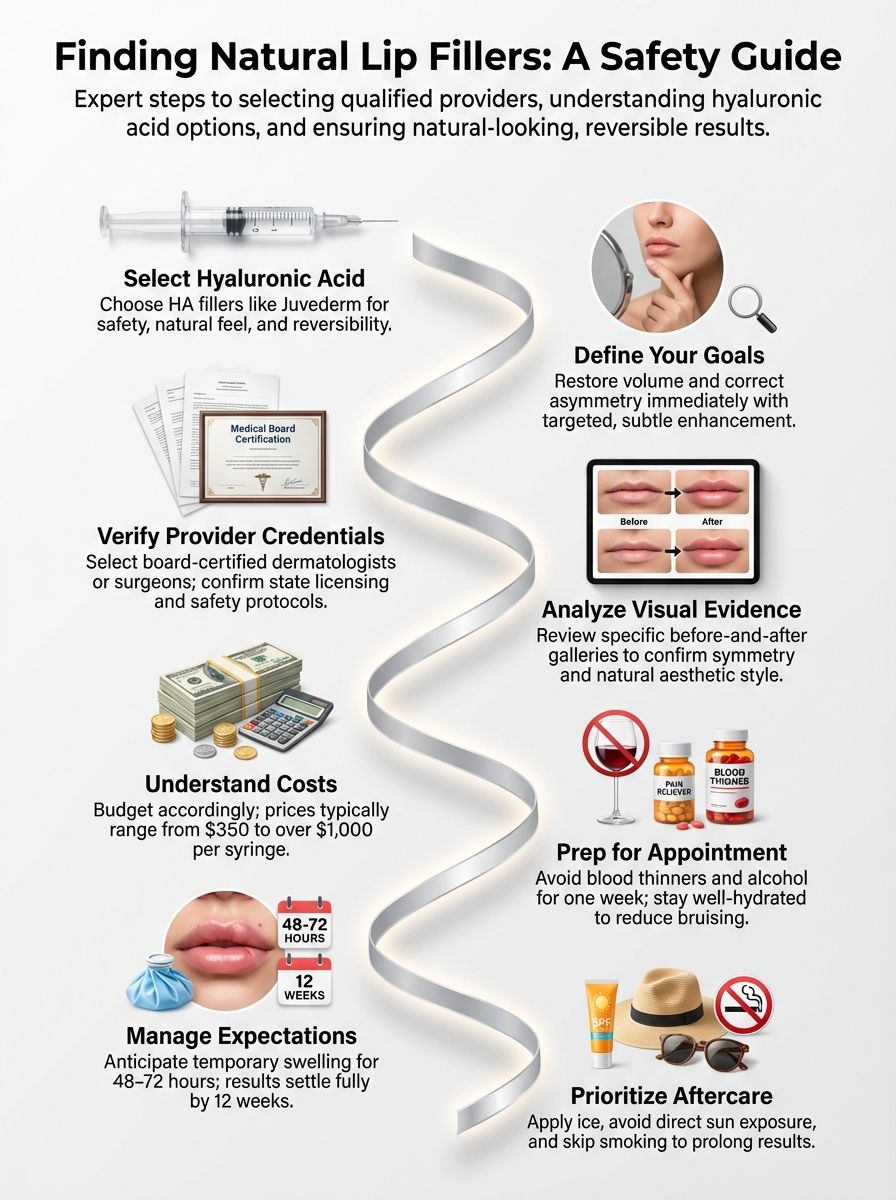
- For natural-looking lip augmentation, hyaluronic acid (HA) gels are the gold standard because they feel soft and are reversible. Brands like Juvederm and Restylane offer products specifically designed for the lips, with results typically lasting 6 to 12 months.
- Plan your timing carefully. Swelling and bruising are common and, as the American Academy of Dermatology notes, usually fade within one to two weeks. I always tell my patients to schedule their treatment at least two weeks before any big event.
- Budgeting is key. A 2025 analysis shows the average cost per syringe can range from $600 to over $1,200 in major cities like New York. Most first-time treatments use one syringe.
What Are Lip Fillers?
Lip fillers are injectable gels that a medical provider uses to add volume, refine shape, and soften lines around the mouth. The most popular fillers today are made from hyaluronic acid (HA), which is a sugar molecule that your body already produces to keep tissues hydrated.
When you’re comparing “lip fillers Brooklyn” and “lip fillers NYC” options, my advice is to focus on the injector’s credentials and the product they use, not just the clinic’s decor or social media buzz.
Watch a short overview of what lip fillers do
What are lip fillers and why are they used?
Most modern fillers use a purified, cross-linked HA gel. When it’s placed in the lip, it holds its shape and draws in water, which is why lips often look smoother and more hydrated after treatment.
The FDA approves dermal fillers for specific uses in adults 22 and older, including lip augmentation. That age guideline is an important safety check, especially if you see deals online or are offered treatments in non-medical settings like a party or someone’s home.
In my experience, “natural results” means you still look like yourself, just a more rested version. We’re not aiming for a total transformation.
- Restoring balance: We can add subtle volume to even out asymmetry between the upper and lower lips, often aiming for what artists call the “golden ratio” of 1 to 1.6.
- Defining edges: A little support along the vermilion border, which is the edge of your lip, can prevent lipstick from feathering.
- Softening lip lines: A conservative amount of filler can smooth vertical lines above the lip, sometimes called “smoker’s lines.”
- Lifting corners: A few tiny, strategic injections can help reduce a downturned look without altering your natural smile.
As a rule, I always have patients reschedule if they have an active cold sore, a skin infection near the mouth, or any new rash. A responsible injector will always choose to delay treatment rather than push forward and risk a complication.
What types of lip fillers are most common?
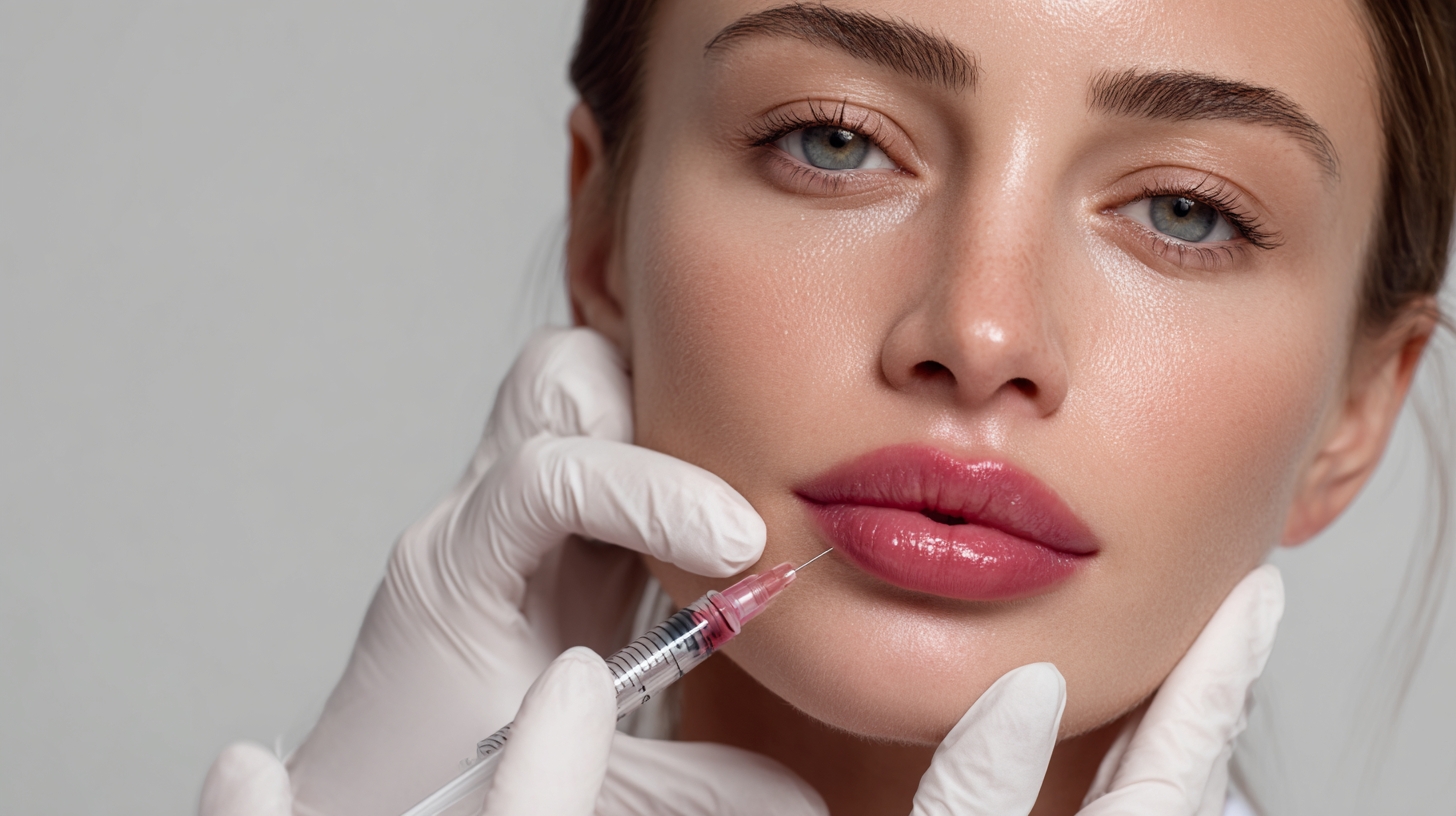 Hyaluronic acid fillers are overwhelmingly the most popular choice for lips. They feel soft, look natural, and perhaps most importantly, they can be adjusted or dissolved with an enzyme called hyaluronidase if needed. While other types of fillers exist, they aren’t typically the first choice for lip enhancement.
You’ll often hear about brands like Juvederm Ultra which adds volume, but there are many different products, each with a unique personality. For example, Restylane Kysse is designed with XpresHAn Technology™ to be flexible and move with your expressions, while Juvéderm Volbella is excellent for providing subtle volume and defining the lip border with minimal swelling.
| Filler category | Typical role | What to know for lips |
|---|---|---|
| Hyaluronic acid (HA) gel | Soft volume, shape, hydration | This is the go-to for lips. Brands like Restylane, Juvéderm, and the RHA Collection are top choices in 2025. |
| Calcium hydroxylapatite (CaHA) | Structure and collagen stimulation | Products like Radiesse are generally used for deeper facial folds, not the soft tissue of the lips. |
| Poly-L-lactic acid (PLLA) | Gradual biostimulation over time | This isn’t for an instant “plump.” Sculptra works by stimulating your own collagen, a different strategy altogether. |
| Fat transfer | Surgical volume restoration | This is a surgical procedure with different planning and downtime compared to an injectable appointment. |
| Permanent fillers | Long-term correction (limited uses) | The FDA has not approved any permanent fillers for the lips, and they can be difficult or impossible to remove if you don’t like the result. |
My preference is almost always HA fillers for the lips. They give a soft, natural feel and provide a crucial safety net since they are reversible when injected by an experienced medical professional.
Benefits of Lip Fillers
The right lip filler treatment can restore volume and refine the shape of your lips, with results that are visible almost immediately. For many of my patients, this subtle refreshment around the mouth helps them look less tired and more vibrant overall.
When I develop a treatment plan, I’m not just looking at a still photo. I’m thinking about proportion, how your lips move when you talk and smile, and how to maintain your unique character.
See a natural-results lip filler walkthrough
How do lip fillers enhance lip volume and shape?
Lip enhancement is about more than just making lips bigger. It’s about placing targeted support in very specific areas, like the Cupid’s bow, the lip border, and the corners of the mouth to create a balanced and pleasing shape.
According to the American Society of Plastic Surgeons, results are apparent right away. They recommend avoiding intense physical activity for 24 to 48 hours to help keep swelling and bruising to a minimum.
- Volume: Careful placement within the body of the lip adds fullness that still moves naturally.
- Definition: Subtle support along the lip’s border creates a crisper, more defined outline.
- Symmetry: Small, precise injections can correct minor unevenness that might be more noticeable in photos.
- Perioral lines: A very conservative amount of a smooth filler can soften lines around the mouth.
How can lip fillers create natural-looking results?
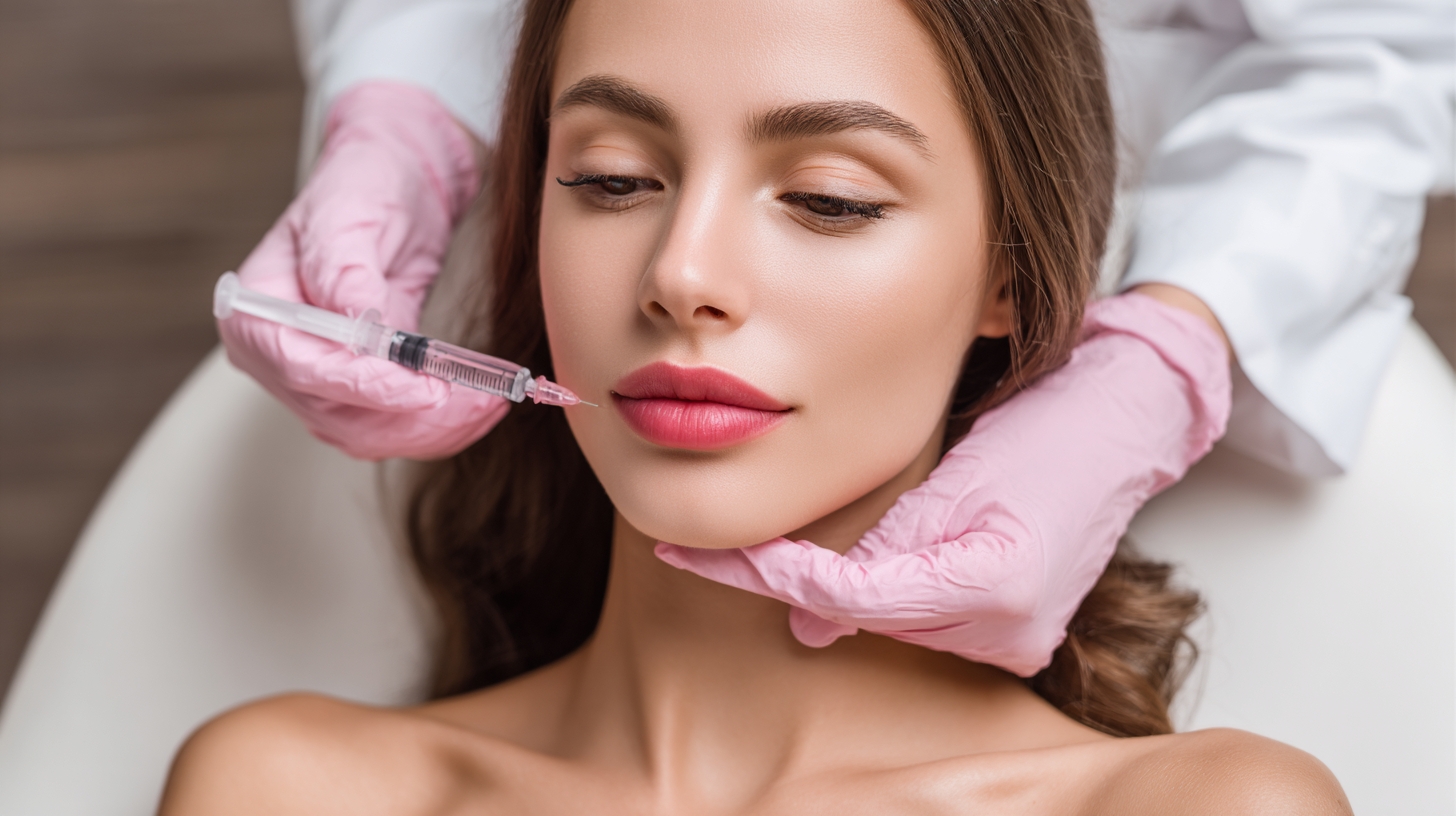 Natural results are born from a thoughtful strategy, not from using a lot of product. The injector’s technique and pacing are just as important as the filler they choose.
A skilled provider might use a soft, blunt-tipped tube called a cannula instead of a sharp needle for parts of the treatment. Many experts find that a cannula can glide around blood vessels, which may reduce bruising, swelling, and the risk of complications.
- Start small: A good plan often involves using a conservative amount of filler, typically 0.5ml to 1ml, and then reassessing at a follow-up appointment in two weeks.
- Respect your anatomy: The “perfect” lip shape is the one that harmonizes with your unique facial structure.
- Plan for the swelling phase: It’s crucial to judge the final results at the two-week mark, not on day one when swelling is at its peak.
- Ask about reversibility: I always make sure patients know that we have hyaluronidase on hand to dissolve the filler if any adjustments are needed.
If a provider ever promises you a dramatic transformation in a single visit, that should be a warning sign. A natural-looking plan is gradual and respectful of your own features.
How do lip fillers boost self-confidence?
I see this happen in my clinic all the time. A subtle, well-done enhancement around the mouth can make someone look more rested, feel more comfortable in photos, and even feel more confident wearing their favorite lipstick again.
That boost in confidence often comes from a sense of relief, the knowledge that you can achieve a refreshed look without losing your identity. A careful and thoughtful injector prioritizes small, meaningful improvements that add up over time.
How To Find the Best Lip Fillers Near Me
If you want to feel great about your results, you have to treat this search like any other important medical decision. When I evaluate “lip fillers near me” options for friends or family, I look for three things: extensive training, complete transparency, and a culture of safety.
For those of you comparing “lip fillers Brooklyn” vs. “lip fillers NYC,” I’d give the exact same advice. Create a shortlist based on medical credentials and safety protocols first, and only then should you compare their artistic style.
Watch my checklist for choosing an injector
How do I research licensed and experienced providers?
I recommend starting with medical specialties that focus on facial anatomy, like board-certified dermatologists and plastic surgeons. Then, it’s essential to verify that the specific person doing the injection is properly licensed in your state.
A great tool for this is the ABMS “Certification Matters” website, where you can confirm a physician’s board certification in just a few minutes. It’s a simple step that helps you see past misleading marketing claims.
- Confirm the name and exact license of the person who will be performing the injection.
- Ask which specific product they plan to use and why it is the right choice for your goals.
- Look for before-and-after photos that show results from multiple angles with consistent lighting.
- Choose clinics that discuss potential complications and aftercare instructions clearly and without rushing you.
A reputable provider should also be following standard medical guidelines, like those from the American Academy of Dermatology, regarding infection control and patient safety.
Where can I find reliable client reviews and testimonials?
Reviews can be helpful, but you have to read them with a critical eye. Simple star ratings don’t give you the full picture, and reviews on deal sites often attract people focused on price rather than quality.
I suggest looking at platforms like RealSelf, which is specifically for medical aesthetic procedures. You can often find detailed patient diaries, doctor responses, and a more balanced view of the experience.
- Look for timing: A review written two weeks after the treatment, once the swelling has resolved, is far more useful than one written the next day.
- Watch for specifics: Look for mentions of a thorough consultation, a review of the patient’s medical history, and clear aftercare instructions.
- Scan for consistency: Do multiple people describe the same artistic style or bedside manner? This can give you a good sense of the provider’s approach.
- Be cautious with extremes: Both overly glowing and intensely negative reviews might be leaving out important context. Look for the balanced, detailed ones.
How can I verify certifications and qualifications?
I always recommend verifying three key things: the provider’s professional license, their board certification (if they are a physician), and the day-to-day safety practices you can observe in the clinic.
Don’t be shy about asking to see the product box before it’s opened. A legitimate medical office will be happy to show you the brand name, expiration date, and confirm that it’s an authentic, FDA-approved product.
- Board certification: For physicians, you can confirm this through the ABMS website.
- Licensure: Check your state’s medical board website to confirm the injector holds an active license.
- Medical setting: Avoid getting injections in non-clinical settings like homes, hotel rooms, or parties.
- Emergency readiness: Ask what the clinic’s protocol is for rare but serious issues like severe pain, skin discoloration, or changes in vision.
Why should I look for clinics specializing in lip enhancements?
The lips are a very delicate and dynamic area. They swell easily, they are in constant motion, and even tiny asymmetries can become more noticeable on camera.
The FDA lists rare but serious risks from dermal fillers, including the unintentional injection into a blood vessel. A 2020 study estimated this risk, known as vascular occlusion, to be as low as 0.05% to 0.01%, but it’s a risk that must be managed by an expert. An injector with specialized experience will not only have a better understanding of the facial anatomy to avoid this but will also have the tools, like hyaluronidase, and training to address it immediately if it occurs.
| What you want | What it looks like in a clinic |
|---|---|
| Consistent natural style | A portfolio of before-and-after photos showing subtle, balanced changes on a variety of patients. |
| Lower risk profile | A thorough medical screening, sterile technique, and a clear, written plan for managing complications. |
| Better long-term plan | An approach that favors a conservative first session, with a plan to refine the results later, rather than aiming for maximum volume right away. |
Key Factors to Consider Before Choosing a Provider
From my perspective, a successful outcome depends on three pillars: clear communication, rigorous safety protocols, and good aesthetic judgment. If even one of those is missing, the chances of being unhappy with the result increase significantly.
The right choice should feel calm, professional, and completely transparent, long before any needles are involved.
How should I discuss my treatment goals during consultation?
I find it’s most helpful when patients describe how they want their lips to look and feel in everyday life, not just in a selfie. Bring in photos of yourself that you like and point out what you want to preserve about your natural look.
- Ask the injector what “natural” means to them, and have them show you examples of their work that fit that description.
- Ask how much product they recommend for the first session and their reasoning behind that amount.
- Clarify exactly where they plan to place the filler, whether it’s in the border, the body of the lip, the corners, or the lines above.
- Confirm what the process would be if you dislike the result or feel any lumps after the swelling goes down.
What hygiene and safety standards should the clinic meet?
A safe clinic will treat your lip filler appointment with the same seriousness as any other medical procedure. The FDA recommends only using licensed healthcare providers and FDA-approved dermal fillers, never products that are sold directly to the public online.
Your provider should be using FDA-approved fillers and following strict hygiene protocols.
- You should see single-use needles or cannulas being opened in front of you, along with proper skin prep in a clean clinical setting.
- They should take a full medical history, asking about allergies, medications, and any previous cosmetic treatments.
- The clinic must have hyaluronidase readily available for adjusting or dissolving HA fillers in case of an emergency.
- There should be a clear, established plan for how to handle urgent symptoms like severe pain, changes in skin color, or vision problems.
If a provider ever seems dismissive or irritated by your safety questions, that is a perfectly good reason to thank them for their time and walk away.
What types of fillers should I understand before choosing?
At a minimum, you should be clear on whether you are receiving a hyaluronic acid (HA) gel, which is the standard for lips, or something else. Different categories of fillers have very different properties and different options if you change your mind later.
| Option | Why people choose it | My practical caution |
|---|---|---|
| HA gel filler | Soft feel, immediate results, adjustable | Ask for the specific brand, like Juvéderm or Restylane, and confirm the clinic has hyaluronidase to dissolve it if necessary. |
| Biostimulators (like PLLA) | Gradual, long-term collagen stimulation | Products like Sculptra are not designed for a same-day lip plump and require a very different long-term plan. |
| Fat transfer | A surgical approach to adding volume | This involves more downtime and has different expectations than a simple injectable treatment. |
Why ask for before-and-after photos of previous clients?
Photos are the best way to understand an injector’s artistic style. They show you if their idea of “natural” is the same as yours.
- Look for lips that still appear soft and move naturally, not stiff, over-projected, or “duck-like.”
- Ask to see examples on people who have a similar starting lip shape and size to yours.
- Specifically request to see photos taken at the two-week follow-up, after the initial swelling has gone down.
- Pay close attention to the details, like the crispness of the border and the lift of the corners, as this is where good technique really shows.
Questions To Ask During Your Consultation
Asking the right questions is the best way to stay safe and avoid any miscommunication. I encourage all my patients to use these as a baseline when they are looking for lip fillers near me that will look natural in their real, everyday life.
What type of filler is best for my lips?
The “best” filler is always the one that is best suited to your specific anatomy and goals, placed with the correct technique. For most natural-looking results, we use HA gels that are designed to be soft and flexible.
For a more specific discussion, you can ask about products that are FDA-approved for the lips. For instance, Restylane Kysse is known for creating soft, flexible lips that move naturally, while RHA 3 is part of a collection of “resilient” hyaluronic acids designed to adapt to facial movement.
- For soft hydration and subtle volume: Ask about lighter HA options like Juvéderm Volbella and a conservative first session.
- For definition and structure: Ask the injector how they support the lip border without creating an unnatural, outlined appearance.
- For lip lines: Ask whether filler is the best option, or if a neuromodulator (like Botox), better skincare, or a combination approach would be more effective.
How long will the results last?
Longevity really depends on the specific product used, how much is injected, and your own metabolism. For most modern HA gel fillers, the American Academy of Dermatology suggests results typically last between 4 and 12 months.
Some of the newer formulations, like RHA 3, may last up to 15 months. I prefer to plan for maintenance based on how you heal and how you want your lips to look over time, not based on a rigid calendar.
What are the potential risks or side effects?
The most common short-term side effects are swelling, bruising, tenderness, and sometimes small bumps that you can feel. Most of these resolve on their own as your lips heal over the first week or two.
A much rarer but more serious risk is unintentional injection into a blood vessel. A study in the *Journal of Clinical and Aesthetic Dermatology* found this occurs in less than 0.05% of injections, but it’s why your injector must have a thorough knowledge of anatomy and an emergency plan. Another uncommon side effect is the Tyndall effect, a bluish discoloration that can occur if the filler is placed too close to the surface of the skin.
- Ask what “urgent” symptoms look like (e.g., severe pain, pale or blotchy skin) and what number you should call.
- Ask how the clinic handles a suspected vascular issue. They should have a clear protocol.
- Ask what you should do if you develop worsening pain, expanding discoloration, or any changes to your vision.
How much does the treatment cost?
The cost of lip fillers varies widely based on the product used, your location, and the injector’s experience. Most treatments are priced per syringe. According to 2025 data, you can expect to pay between $750 and $1,200 per syringe in a major metropolitan area like New York City.
| Cost factor | What to ask |
|---|---|
| Price structure | “Is this price per syringe, per area, or per session?” |
| Product transparency | “Which brand and exact product are you recommending, and why?” |
| Follow-up | “Is a two-week check-in appointment included in this price?” |
| Safety value | “How does your training and emergency preparedness factor into this cost?” |
Preparing for Your Lip Filler Appointment
Good preparation isn’t about achieving perfection. It’s really about taking simple steps to reduce the chances of avoidable bruising and making sure your provider has a complete picture of your medical history.
I also always recommend that my patients schedule their appointment on a day when they can relax afterward. Swelling is normal, but it can feel more pronounced if you’re stressed or have a busy schedule.
What medications should I avoid before the appointment?
First, I never tell patients to stop taking a prescription medication without consulting their primary doctor. Instead, I ask for a complete list so we can make a safe plan together.
The American Academy of Dermatology recommends patients disclose any medicines or supplements that can increase the risk of bruising. This includes common things like aspirin, ibuprofen, fish oil, and vitamin E. I also advise avoiding alcohol for a day or two before the treatment.
Many of my patients have found success taking Arnica montana, a homeopathic supplement, for a few days before and after treatment to help minimize bruising.
Why is staying hydrated important before treatment?
This is a great question. Hyaluronic acid fillers work by binding to water in your tissues. Because HA is a humectant, meaning it draws in moisture, being well-hydrated helps the filler integrate smoothly and can support a healthy recovery phase.
- Focus on drinking plenty of water the day before and the day of your treatment.
- Use a simple, fragrance-free lip balm if your lips feel chapped or dry.
- Avoid using irritating lip-plumping glosses for a few days before your appointment.
What medical history should I discuss with my provider?
Your medical history isn’t just a formality, it’s a critical part of safe treatment planning. It’s also important to tell your injector about any upcoming procedures. For instance, I advise my patients to avoid scheduling major dental work for at least two weeks after getting lip fillers to reduce any risk of infection or pressure on the healing area.
- A history of cold sores (so we can discuss preventive antiviral medication)
- Any bleeding disorders or if you bruise easily
- Allergies, especially to lidocaine, which is often mixed into the filler
- Any autoimmune conditions or medications that affect your immune system
- All prior cosmetic procedures around the mouth, including filler, dissolver, or surgery
Aftercare Tips for Long-Lasting Results
Good aftercare is all about making your healing process as comfortable as possible. Following a few simple rules also reduces the chances of mistaking normal swelling for a complication.
I always aim to keep my aftercare instructions simple, consistent, and easy to follow.
What post-treatment guidelines should I follow?
The basics cover most situations. The American Academy of Dermatology generally advises patients to avoid strenuous exercise for a day or two, stay out of the sun, and avoid touching the treated area for a few days unless they’ve been specifically instructed to massage it.
- Use a clean cold compress for short intervals to help with swelling.
- Avoid putting heavy pressure on your lips (like from aggressive kissing or drinking from a tight straw) for the first couple of days.
- Sleep with your head slightly elevated on an extra pillow for the first night to help minimize morning swelling.
- Call the clinic immediately if you experience worsening pain, spreading discoloration, or any changes in your vision.
Why avoid smoking and excessive sun exposure after treatment?
Smoking can contribute to the formation of perioral lines over time, which can work against the refreshed look you’re trying to achieve. Additionally, excessive sun exposure can cause inflammation and dryness in the lip area while it’s healing.
Long-term, UV exposure can even degrade hyaluronic acid, which could potentially shorten the life of your filler.
- Use a simple SPF lip balm whenever you’re outdoors.
- Avoid tanning beds and prolonged, direct sun exposure for at least the first week.
- If you smoke, even taking a short break for a few days while you’re healing can be beneficial.
When should I schedule follow-up appointments?
I always schedule a follow-up appointment for my patients about two weeks after their initial treatment. This allows enough time for the swelling and any bruising to completely resolve, so we can evaluate the final result together.
This is also the perfect time to make any minor “tweaks” or adjustments if needed. After that, maintenance really depends on the product we used and how your body metabolizes it. For most HA gels, many of my patients plan a refresh appointment within a year to maintain a consistent look.
Conclusion
When your goal is a beautiful, natural-looking result, finding the right “lip fillers near me” should never be a rushed decision. It’s a medical procedure, and it deserves careful consideration.
My best advice is to choose a licensed medical clinic that is transparent about their process, can show you examples of their real work, and takes your safety seriously.
Book a consultation, come prepared with questions, and always schedule your treatment at least two weeks before any important events. If you’re comparing lip fillers in Brooklyn and NYC, let the provider’s credentials, transparency, and conservative approach be your guide.
FAQs
1. How do I find lip fillers near me for natural results?
Start by researching board-certified dermatologists or plastic surgeons who specialize in injectables. Look for their before-and-after photos to see if their aesthetic style matches yours. During the consultation, ask them about their philosophy on creating natural-looking results and which specific products, like Restylane Kysse or Juvéderm Volbella, they use for subtle enhancements.
2. How do I pick a safe provider for lip fillers near me?
Safety starts with credentials. Verify that your injector is a licensed medical provider (MD, NP, or PA). Ask about their experience, specifically with lip injections, and inquire about their protocol for handling complications like a vascular occlusion. A safe provider will have hyaluronidase on-site and will be able to explain their emergency plan clearly.
3. How can I make sure results look natural with lip fillers near me?
Communication is key. Ask for a conservative treatment plan, often starting with just one syringe or even half. The goal should be to enhance your natural shape, not create a new one. A good injector will respect your facial anatomy and recommend a filler that moves naturally with your lips.
4. What should I expect before and after getting lip fillers near me?
Before your appointment, avoid blood thinners like aspirin, ibuprofen, and fish oil for about a week to reduce bruising. After the procedure, expect some swelling and potential bruising for up to two weeks. You can use a cold compress to help manage this, and you should avoid strenuous exercise for 24 to 48 hours.